
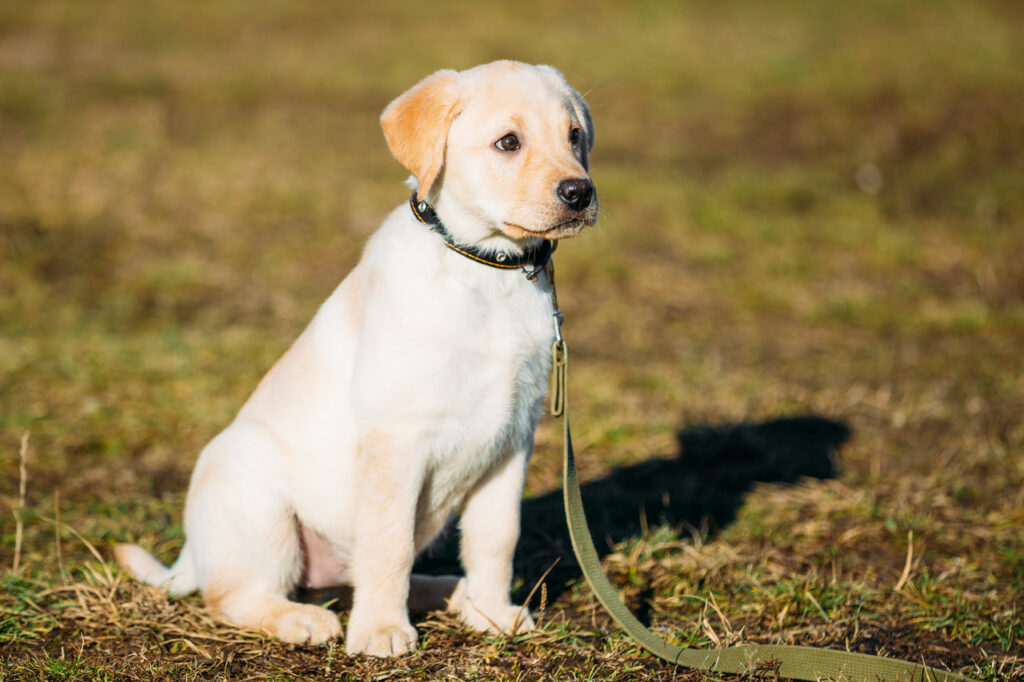
Bringing a puppy into your life is one of the most exciting – and let’s be honest, slightly chaotic – experiences. With those big eyes and waggy tail comes a lot of responsibility, especially when it comes to getting walks and exercise right.
We’re often asked by new owners in Wimbledon:
“When can I start walking my puppy?”
“How much is too much?”
“Should they meet other dogs straight away?”
This blog is here to help. Whether you’re preparing for your puppy’s arrival or navigating those early weeks, this guide will help you build a safe, confident walking routine tailored to your pup’s age, breed, and development.
When Can I Start Walking My Puppy?
This depends on two important milestones:
- Vaccination
Most puppies get their first vaccines at 8 weeks, and a second round 2–4 weeks later.
Until about 1–2 weeks after their second vaccination, your puppy should not walk in public spaces (like parks or pavements), as they’re still vulnerable to diseases like parvovirus and distemper. - Growth Stage & Breed Size
Even once they’re vaccinated, your puppy’s joints, muscles, and bones are still developing. Over-exercising too soon (especially on hard surfaces) can cause problems later in life.
- Small breeds (like Cavapoos or Mini Dachshunds) can usually start short walks around 12–14 weeks
- Medium to large breeds (like Labradors or Spaniels) may need gentler introductions and more rest between activity bursts
- Giant breeds (like Newfoundlands or Great Danes) have particularly sensitive growth plates and should avoid long or intense activity n their first 6–12 months
As a general rule:
5 minutes of walking per month of age, twice per day
So a 3-month-old pup might handle two 15-minute walks. Always build up gradually.
Socialising Your Puppy (Before They Can Walk Outside)
Just because you can’t walk them outdoors immediately doesn’t mean you can’t start socialising. In fact, this early window (8–16 weeks) is critical for positive exposure.
Here’s how to gently build confidence before outdoor walks begin:
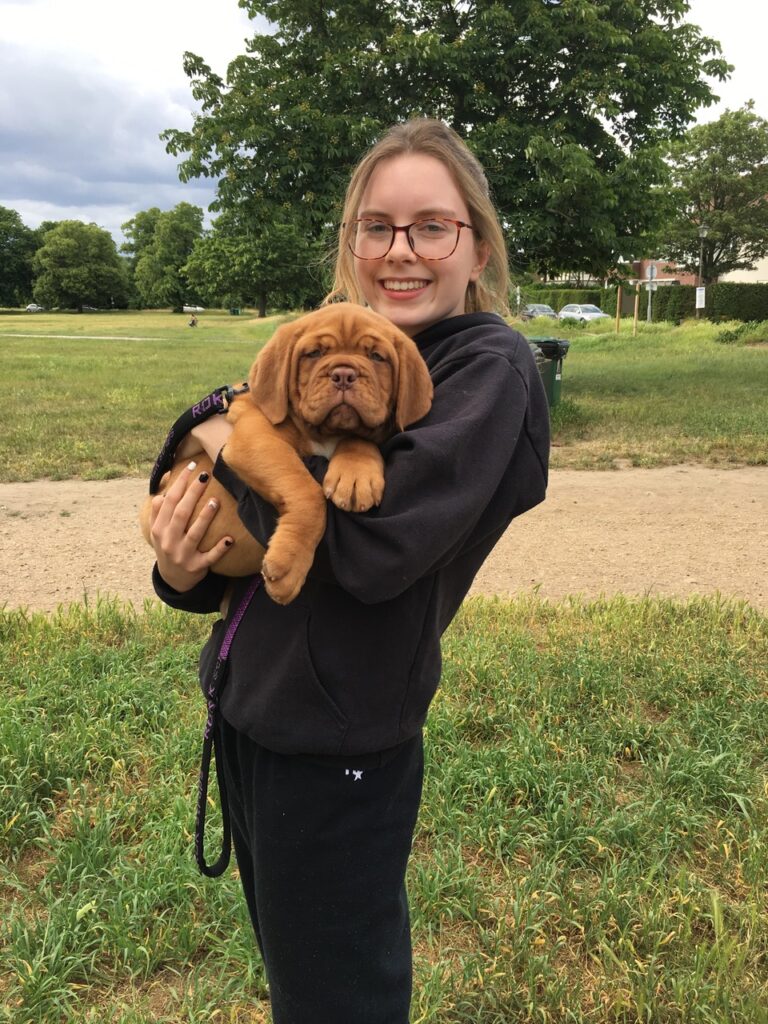
- Carry them around Wimbledon Village, local shops, or parks (arms or sling) to take in sights and sounds
- Invite visitors over to meet people of different ages
- Let them hear traffic, bins, buses, bikes from a safe distance
- Introduce safe, vaccinated dogs in controlled settings like a friend’s garden
Consider Puppy Socialisation Classes
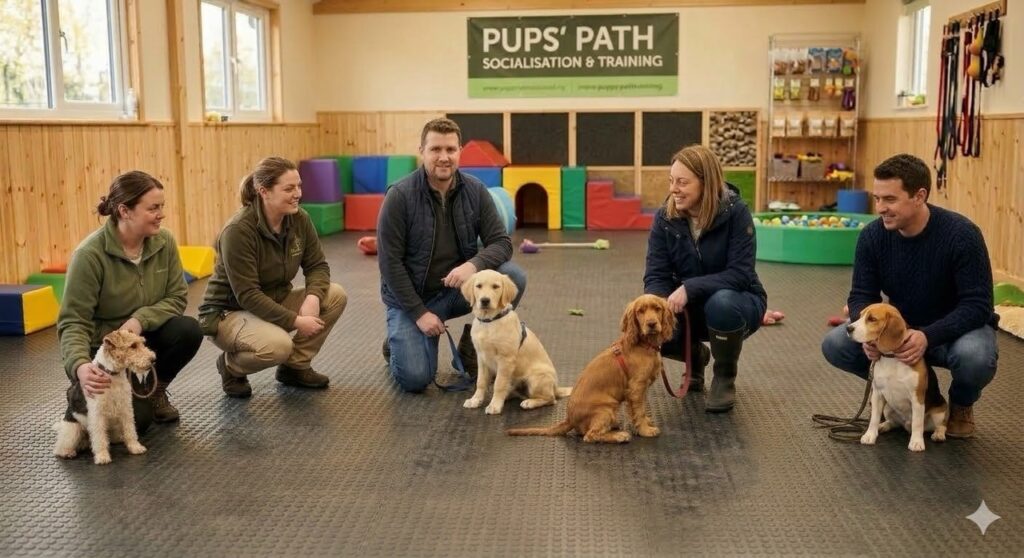
Professionally led puppy socialisation classes are one of the best ways to safely expose your pup to other dogs, new people, and unfamiliar sounds or surfaces — all in a structured, supervised environment.
Classes are also a great confidence boost for new owners. You’ll learn:
- How to read dog body language
- How to reinforce good behaviour
- How to safely manage first introductions and play
A well-run class will separate puppies by size or energy levels and use gentle training methods to encourage polite interaction. Ask your vet or local trainer for class recommendations and always choose a force-free, reward-based programme.
The Right Balance: Play, Walks & Rest
Puppies don’t just need exercise — they need the right kind. Too much too soon can lead to physical stress and behavioural problems.
Good activity for young puppies:
- Sniffing and exploring the garden
- Slow, short walks on grass or soft paths (after vaccination)
- Puzzle toys, gentle fetch, or hide-and-seek with treats
- Playdates with friendly, calm dogs
Avoid for growing puppies:
- Long runs or hikes
- Repeated stair climbing
- Jumping in/out of cars or onto furniture
- Slippery indoor floors (especially for larger breeds — it strains hips and knees)
Rest is just as vital as play. Puppies often need up to 18–20 hours of sleep a day, especially during growth spurts. After a walk or active play session, give your pup a quiet spot to nap — overdoing it can make them grumpy, overexcited, or anxious.
Mental Stimulation = Tired Puppy (in a good way)
Young puppies don’t need to be physically exhausted — just positively challenged.
Try:
- Sniff walks (let them explore smells instead of focusing on distance)
- Treat puzzles and slow feeders
- Basic training (sit, wait, name recall) with rewards
A 20-minute sniffari on Wimbledon Common can be far more enriching than a long march around town.
First Walks in Wimbledon: Keep It Simple
Once your puppy is vaccinated and ready, start small.
Choose quiet areas with space and gentle distractions.
Some great first walk options:
- Cannizaro Park – formal paths, shade, and a calm atmosphere
- Wimbledon Common (edge trails) – stick to grass or paths and avoid peak hours
- Wimbledon Park (perimeter path) – Also lots of grassy areas if paths are busy
- Cottenham Park/Holland Garden – Lovely small parks in SW20 that also have the benefit of having perimeter fences.
- Quiet residential roads – great for leash skills without too much stimulation
Avoid dog parks at first. Older, off-lead dogs may unintentionally overwhelm your pup, even if they’re friendly.
Final Thoughts
Walking your puppy should be joyful, not stressful. Keep it slow, and safe. Focus on confidence, rest, and enrichment, and your pup will grow into a happy, well-balanced dog. If you ever need a hand, Alldog is here — with professional, friendly support from people who care.